Transaction Pathways Connecting Wagers to Live Features in Mobile Gaming Ecosystems
Written by Jordan Hansen · Oct 3, 2026
Transaction Pathways Connecting Wagers to Live Features in Mobile Gaming Ecosystems
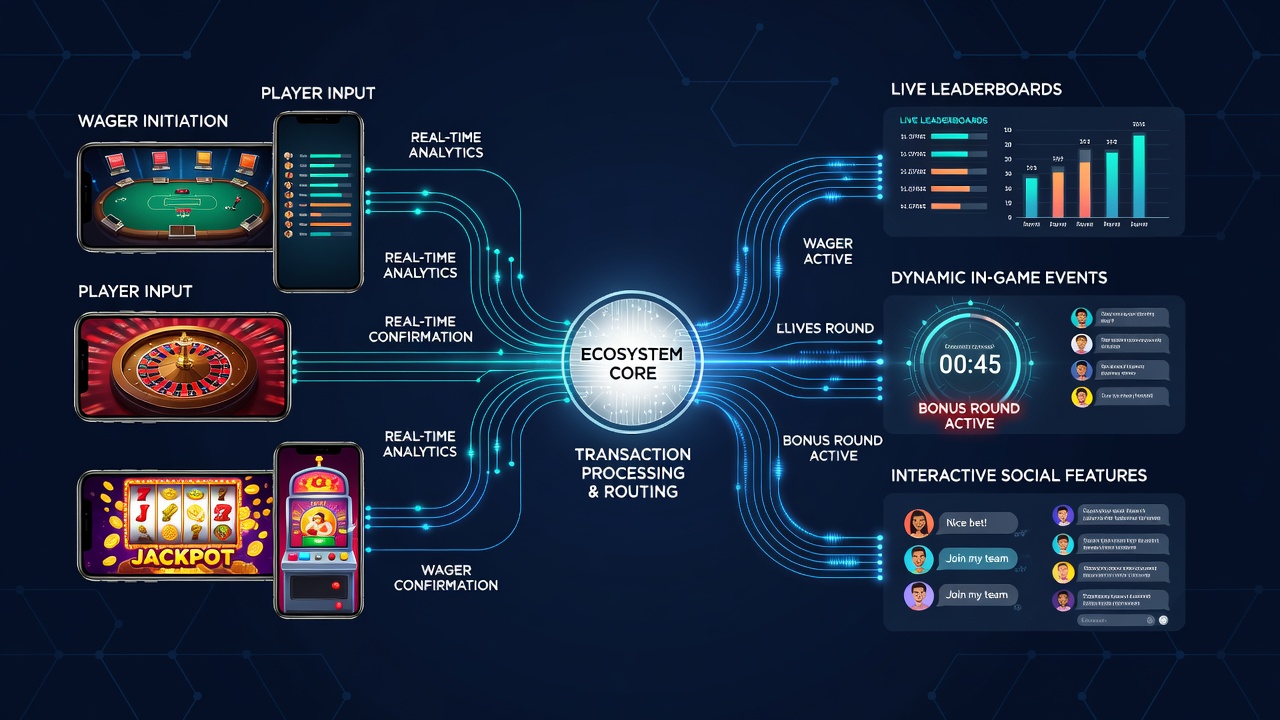
Transaction pathways in mobile gaming ecosystems link player deposits directly to live dealer tables, multiplier reels, and real-time interactive elements through layered payment processing systems and server-side integrations. These pathways operate via application programming interfaces that authenticate wagers, update account balances, and unlock feature access within seconds of confirmation, and they rely on secure tokenization to maintain continuity across handheld devices. As of October 2026, mobile platforms continue to refine these connections to support higher volumes of simultaneous live sessions without latency spikes.
Core Components of Payment-to-Feature Mapping
Payment gateways serve as the initial node in any pathway, where credit card authorizations, digital wallet transfers, and bank transfers convert into in-app credits that feed directly into game engines. Once funds clear, backend scripts route portions of each wager into progressive pools or live session queues, which then activate camera feeds and dealer interfaces for participating users. Observers note that this mapping depends on standardized protocols such as those outlined in reports from the American Gaming Association, which track how transaction volume correlates with live table occupancy rates across major operators.
Real-time reconciliation engines compare wager amounts against predefined thresholds that determine eligibility for exclusive features, for instance granting multiplier access after cumulative bets reach certain levels within a session. These engines pull data from both the payment processor and the game server simultaneously, creating a closed loop that prevents feature activation until the transaction settles. Researchers at institutions like the University of Nevada's International Gaming Institute have documented similar patterns in studies examining portable platform architecture.
Integration Between Wallets and Live Servers
Mobile apps maintain persistent connections to both financial networks and live streaming servers, allowing a single deposit to trigger multiple downstream events such as balance updates, loyalty point accrual, and seat reservations at virtual tables. When a player places a wager, the system routes the transaction through an authorization layer that checks regulatory compliance before forwarding the request to the live feature module. This sequential flow reduces errors and supports the high concurrency required for live dealer environments, where hundreds of users may interact with the same table feed at once.
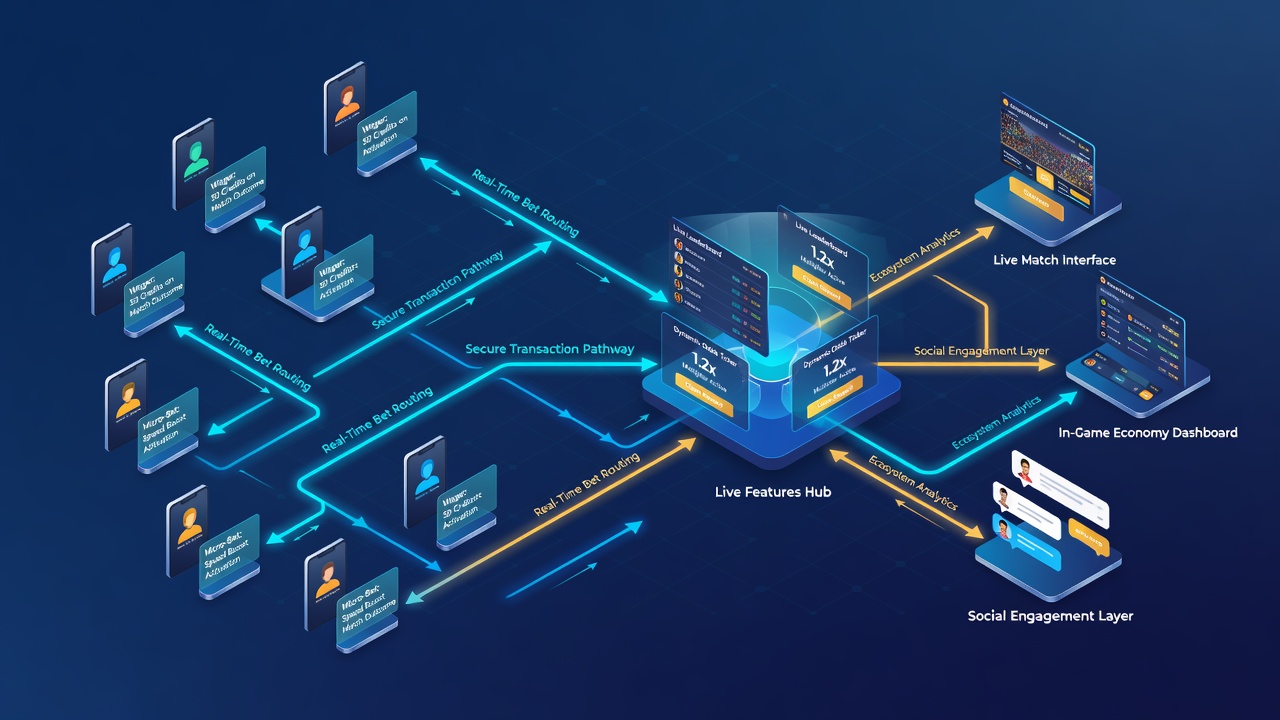
What's interesting is how these integrations handle cross-border payments, since many ecosystems must reconcile currency conversions and regional licensing rules before releasing live content. Data from the European Gaming and Betting Association shows that platforms processing mixed-currency wagers maintain separate ledger entries that sync with feature servers to avoid access delays. Those who've studied these systems know the architecture must accommodate both instant and batch settlement methods depending on the chosen payment rail.
Loyalty Structures and Tiered Unlocks
Loyalty frameworks build directly on transaction data, converting wager history into tier points that progressively open higher-stakes live tables or enhanced reel multipliers. Each successful deposit and bet updates a central profile database, which the mobile client queries before displaying available features. This creates visible pathways where users advance through levels by meeting volume targets, and the system enforces these rules through automated checks rather than manual intervention.
According to findings published by the Canadian Gaming Association, platforms that tie loyalty progression tightly to live feature access report steadier engagement patterns because players receive immediate visual confirmation of their status changes. The pathways also incorporate time-based resets, where accumulated points expire or carry over based on operator policies, ensuring ongoing transaction activity remains necessary for sustained access.
Security Protocols and Regulatory Alignment
Encryption standards and multi-factor authentication protect every step of the pathway from initial deposit to live session entry, with audit logs capturing each handoff between payment, balance, and feature servers. Regulatory bodies require these records to demonstrate that wagers reach live environments only after compliance verification, a process that has grown more stringent in multiple jurisdictions by October 2026. Industry reports indicate that operators investing in unified logging systems experience fewer reconciliation disputes during live play periods.
External monitoring tools scan for anomalies such as rapid successive deposits or mismatched wager amounts that could signal pathway disruptions. When irregularities appear, the system pauses feature access until manual review completes, preserving both player funds and operator integrity across the ecosystem.
Conclusion
Transaction pathways in mobile gaming continue to evolve through tighter synchronization between payment processors, loyalty databases, and live streaming infrastructure. These connections determine how quickly and reliably players move from deposit to active participation in dealer-hosted or multiplier-enhanced experiences. Ongoing refinements in protocol standards and data reconciliation methods support the expanding scale of these ecosystems while maintaining the security and compliance requirements demanded by regulators worldwide.