How Sequential Transaction Histories Shape Access to Progressive Accumulator Tiers in App-Based Reel Systems
Written by Jordan Hansen · Oct 17, 2026
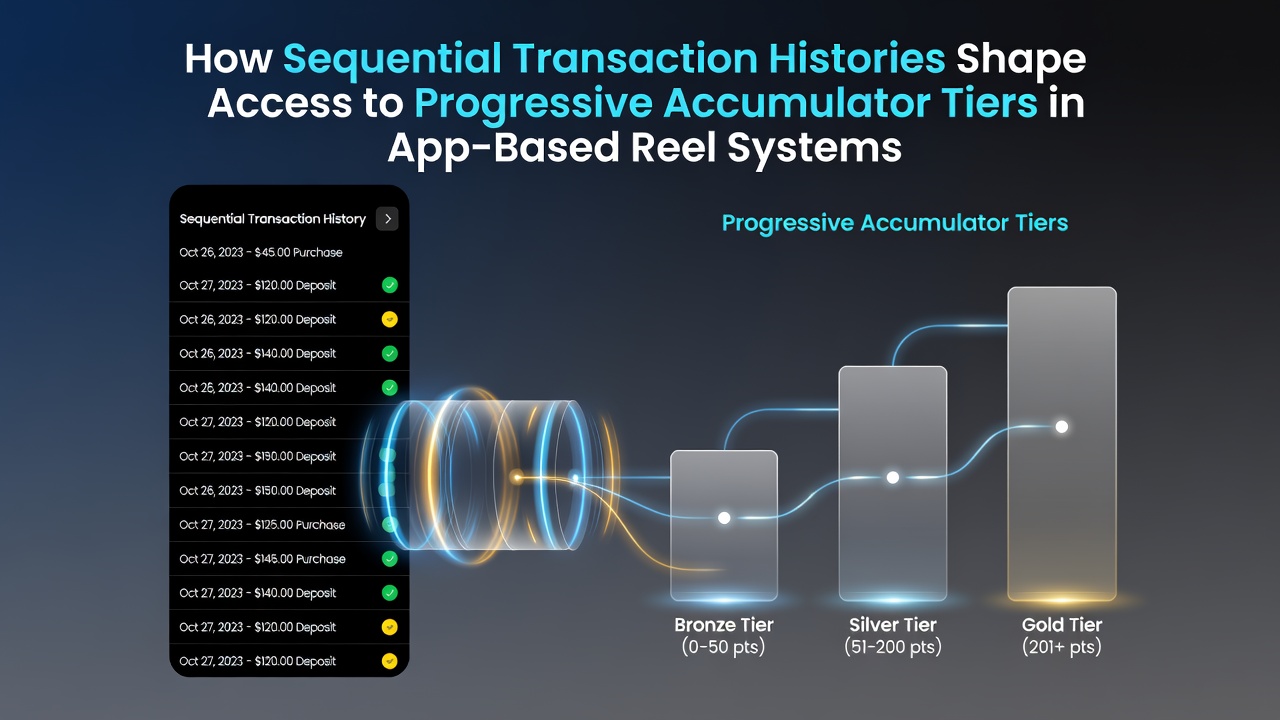
How Sequential Transaction Histories Shape Access to Progressive Accumulator Tiers in App-Based Reel Systems
App-based reel systems track user activity through ordered sequences of deposits and wagers, and these patterns directly influence eligibility for higher progressive accumulator tiers. Developers design algorithms that analyze the timing, frequency, and amounts of transactions rather than isolated totals, which means the order of actions can determine when a player unlocks elevated jackpot pools. Data from platform operators shows that consistent sequences of smaller, regular deposits often precede access to mid-tier accumulators while larger, spaced-out transactions may route users toward different reward brackets altogether.
Mechanics of Transaction Sequencing in Mobile Reel Platforms
Sequential histories function as chronological records that software processes in real time, and each entry carries weight when systems calculate tier progression. A deposit followed immediately by a wager at a specific reel game might increment one accumulator meter, whereas the same deposit held in an account balance for several days before use can feed into a separate calculation path. Platform documentation from various operators indicates that these distinctions arise because progressive systems allocate contributions based on activity chains, not cumulative sums alone. Researchers at gaming technology firms have noted that such ordering prevents users from bypassing intended engagement thresholds by batching all activity into single sessions.
App developers integrate timestamped logs with account profiles, and this combination allows backend servers to apply tier rules dynamically. For instance, a sequence of five deposits within a seven-day window followed by corresponding reel spins may satisfy criteria for tier two access, while an identical total spread across thirty days might remain at tier one. Industry reports compiled in October 2026 highlight how these temporal patterns appear consistently across multiple jurisdictions where mobile reel applications operate under regulated frameworks.
Data Patterns and Tier Allocation Algorithms
Algorithms examine transaction velocity, which refers to the rate at which deposits and wagers occur relative to one another. Studies from software vendors reveal that rapid sequences correlate with faster advancement into accumulators that pool contributions from larger player bases, whereas slower sequences align with regional or smaller pool tiers. The American Gaming Association has published summaries showing that mobile platforms in several states record higher average session frequencies among accounts that reach upper tiers through ordered transaction histories. These findings align with observations from European operators who apply similar sequencing logic under their own licensing requirements.
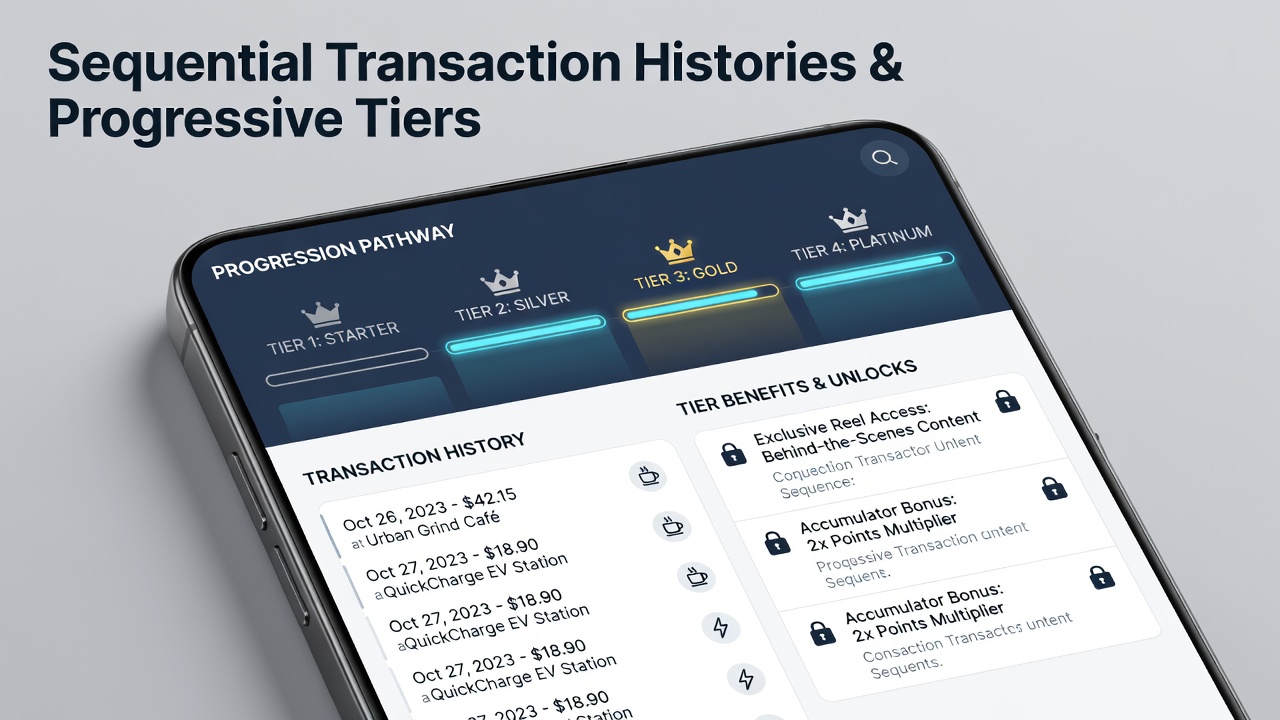
One documented case involves accounts that maintain steady weekly deposit patterns without interruption, and those histories frequently qualify for accumulator participation unavailable to users whose transactions cluster at month ends. According to data released by the Nevada Gaming Control Board, such distinctions help maintain balanced contribution flows across progressive networks. Observers note that the same total transaction volume can produce divergent tier outcomes solely because of sequence variations, which underscores why platforms emphasize chronological tracking over static balance thresholds.
Regional Regulatory Influences on Sequencing Rules
Regulatory bodies in different regions impose requirements that affect how apps may structure tier access through transaction sequences. In Australia, oversight from state gaming authorities requires transparent disclosure of sequencing criteria so users understand progression mechanics before engaging with progressive features. Canadian provincial regulators have examined similar systems and requested that operators document how deposit order influences accumulator eligibility, particularly when cross-border app usage occurs. These rules emerged partly because sequential analysis can create different user experiences within the same application depending on individual activity timing.
Platform updates released during 2026 incorporated additional logging features that allow users to review their own transaction sequences through in-app dashboards. This transparency measure responds to calls from multiple oversight agencies seeking clearer explanations of tier determination processes. Data compiled across North American and Asia-Pacific markets shows that accounts with documented sequential histories achieve tier access at rates that vary according to regional play patterns rather than uniform global standards.
Conclusion
Sequential transaction histories serve as foundational inputs for progressive accumulator tier systems within app-based reel environments, and the chronological order of deposits and wagers directly shapes which pools become available. Platform operators continue to refine algorithms that interpret these sequences while meeting regulatory expectations across jurisdictions. Figures from October 2026 demonstrate ongoing evolution in how mobile applications manage tier progression through ordered activity records, with consistent emphasis on timing metrics alongside volume measurements.